The Summer LBD
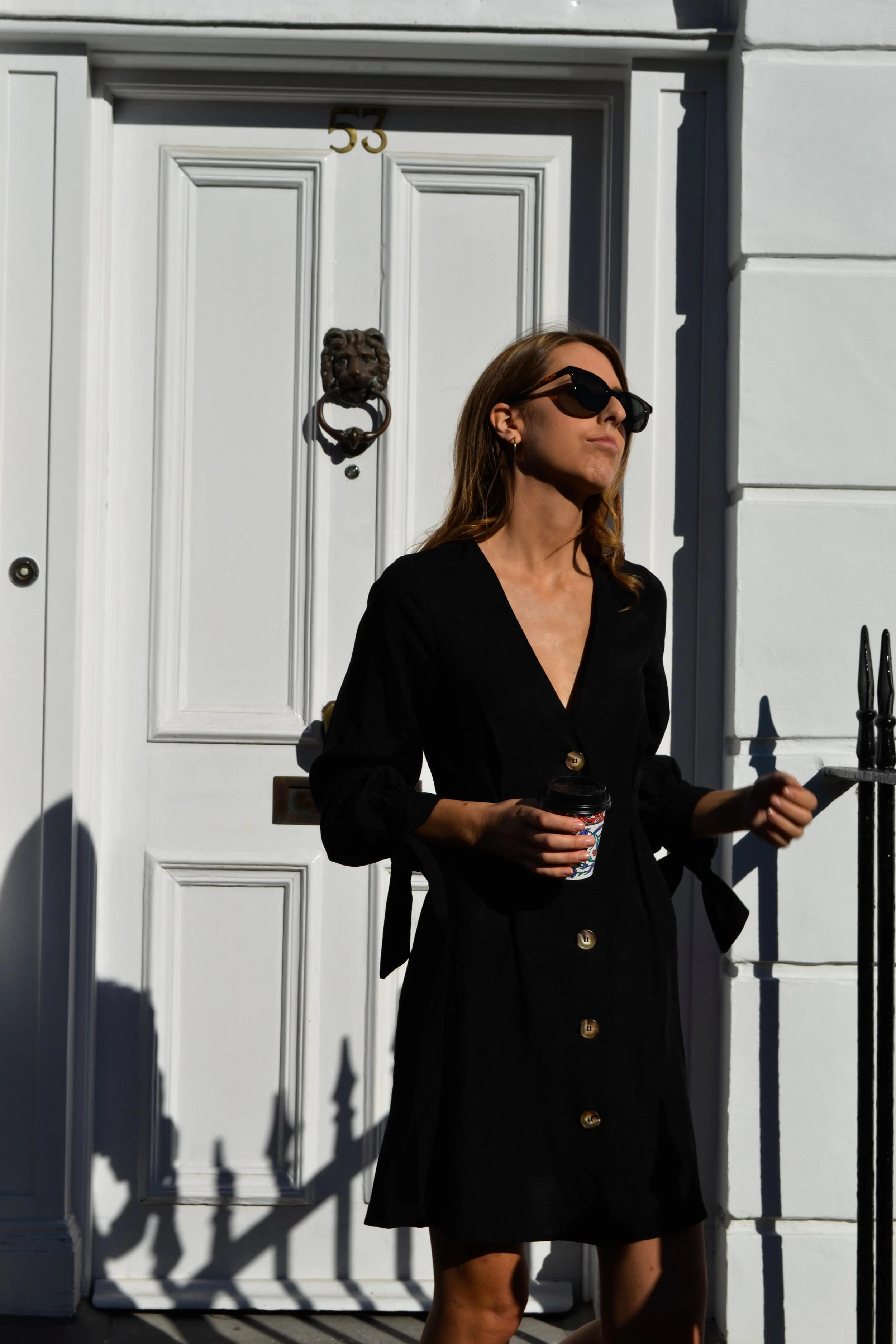
I remember the first ‘real’ party I went to. It took place at a golf club somewhere in the English suburbs and was the first time that everyone in my academic year had been invited to something. This meant something. Come the evening of the party and around 200 16-year-old girls descended over a vast and vivid green lawn in an assortment of little black dresses, all punctuated by shocking pink clutch bags and electric blue high heels.
Putting on this simple item of clothing was to accept that you were in safe hands. It catered for the painfully self-conscious teenager and the mildly anxious mother: simple but not boring, vaguely prudish but still sexy, striking yet somehow inconspicuous. I wonder if Coco Chanel considered the birthday parties of 12 to 16-year-old girls when she first constructed the Little Black Dress?
The announcement of this iconic garment took place on the streets of Paris in 1926. Copies of American Vogue containing sketches of the design were neatly stacked on news stands, their pages quickly picking up the smell of French cigarettes. Chanel had set out to design a dress that would be financially feasible, allow freedom of movement and yet retain clean, elegant lines. Vogue would dub it ‘Chanel’s Ford’, alluding to Henry Ford’s black Model T automobile - the first affordable, mass-produced car in history. By dropping the waistline, raising the hemline, and using a square neckline women of every socioeconomic status were welcomed to be ‘chic as well as comfortable’.
Since 1926, the LBD has made some unforgettable appearances on the silver screen. In the opening scene of Breakfast at Tiffany’s, Audrey Hepburn’s gamine frame emerged from a taxi cab and paused, allowing viewers to take in every inch of Givenchy’s impeccably designed little black dress. The original was supposed to reveal considerably more leg but it was decided that it needed to be redesigned, something undertaken by costume designer Edith Head. The added inches undeniably made the dress the refined and unforgettable garment that was named ‘the best dress ever worn by a woman in film’ by LOVE FiLM in 2015.
My own introduction to the LBD in film came in the form of the late Natasha Richardson’s black silk midi dress in Disney’s, The Parent Trap. At a time when I thought Tammy Girl was unparalleled, I was nonetheless still able to appreciate that there was something special about this dress. The simplicity and elegance that it lent to each shot spoke to me well beyond my habitual diet of denim pedal pushers and lilac, sequin-encrusted t-shirts. Filmed in the late 90s the look, like so many other appearances of the little black dress, stands the test of time effortlessly. Longue vie au LBD!
Continue to The White Shirt →